When commercial real estate owners look for ways to improve a property’s financial performance, the conversation often turns to leasing, redevelopment, capital improvements, or tenant mix.
Those strategies can be powerful. They can also require significant time and capital.
There is another lever worth examining: underutilized parking-lot space.
A parking lot is already developed real estate. It has access, visibility, circulation, and a location within an established commercial property. When portions of it are not needed for core parking demand, temporary users may be willing to pay for access to that space.
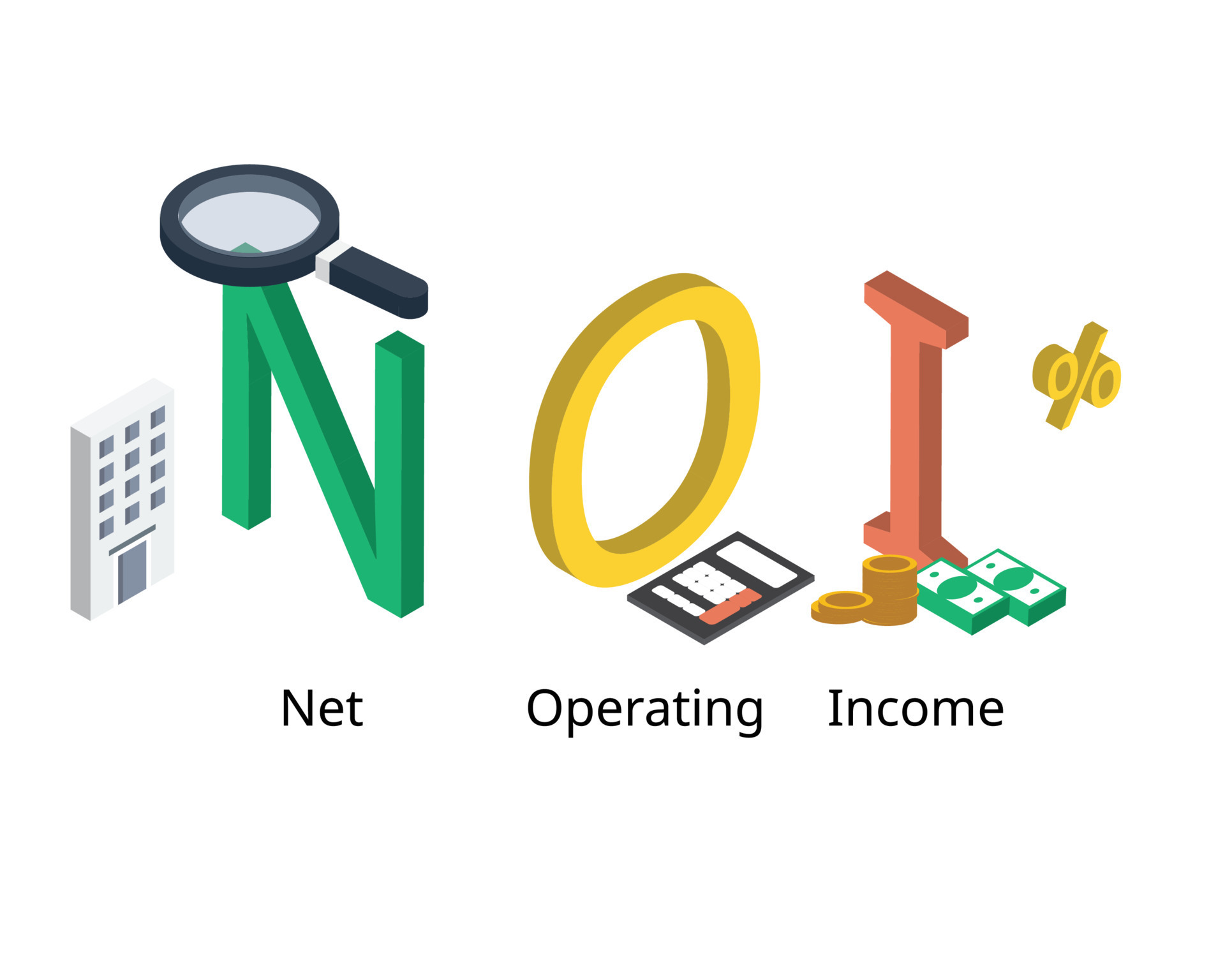
That creates a potential path to incremental NOI without constructing a new building.
The concept is straightforward.
Identify capacity. Determine when and where it is available. Find a compatible short-term use. Structure the rental. Manage the operational requirements. Repeat when the space becomes available again.
The potential users are diverse.
Carnivals and circuses may need large footprints. Inflatable parks can operate for a season. Farmers markets can create recurring weekly activity. Car and RV sales events can use temporary display space. Holiday attractions, food festivals, and community events can occupy space for defined periods.
Each use should be evaluated on its own merits.
For an asset manager, the key question is not simply how much rent a user will pay. The better question is the net value of the opportunity after considering all relevant costs and risks.
Those may include additional security, cleanup, utilities, site preparation, traffic management, administrative time, tenant coordination, and any impact on parking availability.
This is why a structured approach matters.
A property can establish basic criteria for acceptable activations. For example: minimum insurance requirements, permitted operating hours, acceptable footprint, required restoration, tenant communication, parking thresholds, and responsibilities for permits.
With those parameters in place, temporary rentals can become easier to evaluate and manage.
There is also a portfolio-level opportunity.
One property may have excess capacity during summer. Another may have opportunities during winter. A third may have a recurring weekend window. If an owner manages multiple centers, a centralized approach can help identify and capture these opportunities consistently.
The goal is not to turn every parking lot into an event venue.
The goal is to recognize that commercial real estate has flexible capacity—and flexible capacity can have economic value.
For owners, even relatively modest recurring rental income can be meaningful when it requires little new capital. The impact becomes more interesting when opportunities are repeated across multiple properties.
Ultimately, parking-lot monetization is a utilization strategy.
The asset already exists. The customer traffic already exists. The infrastructure already exists. The opportunity is to determine whether some of that capacity can serve an additional purpose without compromising the property’s primary use.
That is the kind of incremental thinking that can help commercial landlords uncover revenue hiding in plain sight.
KevaWorks works with shopping centers to identify underutilized parking space and connect it with short-term users seeking locations for temporary activations.